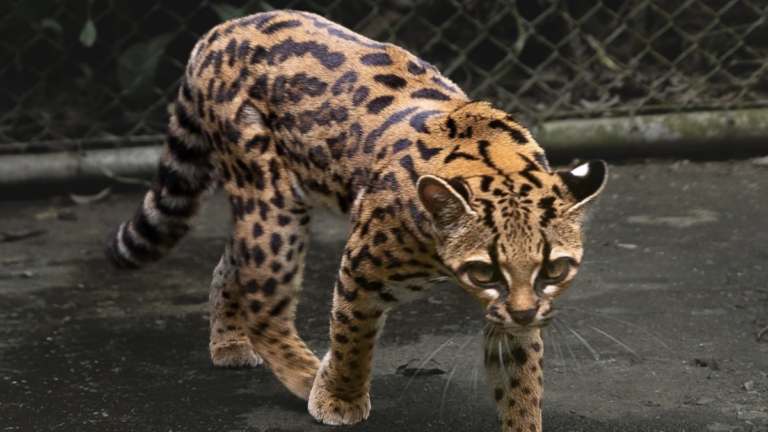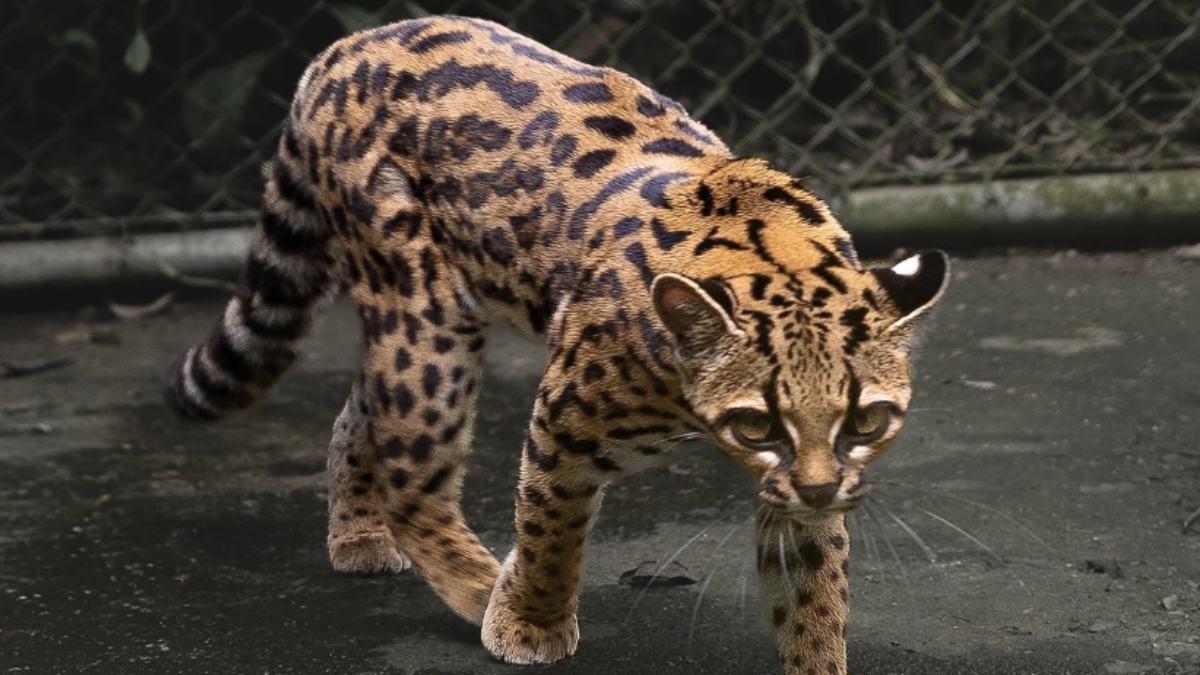
BOLIVIA – Scientists have described a new species of small wildcat in Bolivia's Yungas forests, a discovery representing the first formal description of a new living cat species in more than a century.
The cat, which has been given the scientific name Leopardus tilcayo belongs to the group of small, spotted wildcats known as tiger cats. The species had previously been confused with other similar cats.
The discovery was made after researchers analysed complete genetic data from 38 cats from various parts of South and Central America. The samples also included eight museum specimens.
The study, published in the journal Current Biology showed that the group previously considered a single species actually consists of five genetically distinct species.
Researchers also described a new subspecies in the Peruvian Yungas, Leopardus tigrinus antisuyo.
The Leopardus tilcayo is found in the mountainous cloud forests of Bolivia's Yungas. The cat is approximately 46 centimetres long and weighs roughly 1.4 kilograms, making it smaller than an average house cat.
The species has light brown fur with irregular rose-coloured spots. However, little is yet known about its behaviour, distribution and population size.
According to researchers, photographs suggest the cat may be primarily active at night. Small rodents found in scat indicate they may be part of its diet.
The cat's discovery also has an unusual history. A local resident found a small kitten in the forest years ago and initially thought it was an ordinary house cat. The animal was later handed over to the Senda Verde animal sanctuary, where researchers realised it might be an unknown wildcat.
Genetic research eventually confirmed the animal was a separate species. Researchers estimate that the Leopardus tilcayolineage separated from other tiger cats approximately 1.4 million years ago.
The findings are also significant for conservation. The Yungas forests are threatened by deforestation, agricultural expansion and mining, among other factors. Because the new species has only now been formally distinguished, there is not yet sufficient information to determine its population size or precise conservation status.
Researchers hope that further fieldwork and photographs will yield more information about the species' distribution and numbers.
Sources: Current Biology; Pontifical Catholic University of Rio Grande do Sul; Universidad Mayor de San Andrés; BBC
This article is an automatic English translation of a Nuusflits article originally published in Afrikaans. Read the Afrikaans original.