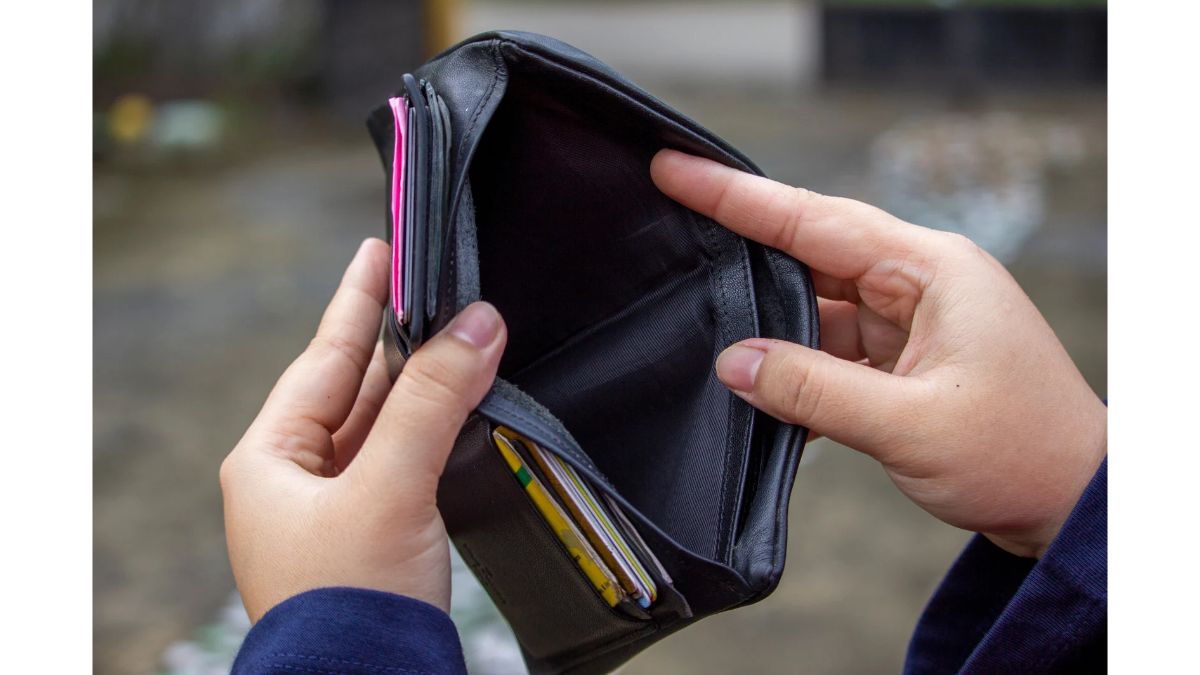
With fuel prices rising sharply in October and public transport fares also becoming more expensive, commuters and families must budget more to get to work, school and other obligations. The question is how much these weekly trips really cost and where households might be able to save.
Statistics South Africa's latest consumer price index shows that transport inflation rose to 12.3% on a year-on-year basis in September. Minibus taxi fares were 13.8% more expensive than a year before, while long-distance bus tickets increased by 14.1%. According to the Department of Mineral and Petroleum Resources, 95-octane petrol cost R30.25 per litre inland and R29.38 on the coast in October. The price of 93-octane petrol inland is R29.88 per litre. This means that even an ordinary week of commuting can consume a significant part of a family's income, especially where more than one family member needs transport daily.
What can a week of commuting cost?
A simple calculation shows how quickly fuel costs add up. If a motorist drives approximately 1 100 km per month and the vehicle uses an average of 7.4 litres of petrol per 100 km, the fuel consumption comes to about 81.4 litres per month. At R30.25 per litre that is roughly R2 462 per month, or about R568 per week. This is an illustrative calculation based on an average distance and fuel consumption; the actual amount depends on the vehicle, traffic, route and how much of the distance is used for work.
For taxi commuters the bill can be just as high. The Automobile Association warned in October that commuters who use two taxis in each direction, at an example fare of R18 per trip in one direction, pay about R72 per day. This comes to R360 for a five-day work week, or approximately R1 580 over 22 working days. Fares and routes differ from area to area, however, and this example is not a national average.
Where can families save?
- Share rides where it is practical and safe. Colleagues or parents who follow the same route can take turns driving or split fuel costs. Work out in advance how costs, waiting time and possible detour kilometres will be divided.
- Plan weekly trips. Combine shopping, appointments and other tasks into one outing rather than making several short trips.
- Drive smoothly and maintain a suitable speed. Avoid unnecessary acceleration and sudden braking, and try to avoid traffic congestion where possible.
- Check tyre pressure and vehicle maintenance. Under-inflated tyres and poor maintenance can increase fuel consumption. Follow the vehicle manufacturer's recommended tyre pressure.
- Compare the actual cost of transport options. A bus or train may be cheaper than driving alone, but also calculate the cost of connections, waiting time and the distance between the stop and your destination.
- Ask about flexible working hours or remote work. If the employer allows it, less peak-hour traffic or a day of remote work can reduce a commuter's weekly expenses.
Fuel relief comes in November
Minister Enoch Godongwana announced on 21 October during the medium-term budget policy statement that the general fuel levy from 4 November to 1 December 2026 will be reduced by R1.50 per litre for petrol and R3 per litre for diesel. After that a smaller reduction until 5 January 2027 will continue: R1 per litre for petrol and R1.50 per litre for diesel. The relief is temporary and does not necessarily mean that the total pump price will drop by exactly the same amount, since other fuel price factors also play a role.
For families the most useful starting point is to write down every trip and every transport cost for one week. That way they can see which expenses are necessary, where trips can be combined and whether a different transport arrangement will be cheaper.
Sources: Statistics South Africa, Department of Mineral and Petroleum Resources, SA Government, AA
This article is an automatic English translation of a Nuusflits article originally published in Afrikaans. Read the Afrikaans original.