André Snyman van eblockwatch waarsku dat die name en foto’s van minderjariges nie sommer op sosiale media versprei moet word wanneer hulle vermoedelik vermis is nie. Snyman sê hoewel elke vermiste kind ernstig opgeneem moet word, kan die omstandighede aanvanklik onbekend wees en kan die bekendmaking van ’n kind se identiteit langtermyngevolge hê.
Volgens Snyman werk hy al 25 jaar met vermiste persone en bekommerde families en het self in die verlede ’n foto van ’n jong meisie versprei voordat al die feite bekend was. Hy moes daarvoor om verskoning vra.
Volgens Snyman is daar ’n belangrike verskil tussen ’n kind wat ontvoer of met geweld weggeneem is, ’n kind wat duidelik in gevaar is en ’n tiener wat bloot nie betyds by die huis opgedaag het nie. Hy sê ouers moet onmiddellik hulp van die regte owerhede en ervare persone kry, maar eers seker maak wat werklik gebeur het voordat ’n kind se naam, foto en persoonlike omstandighede wyd op die internet gedeel word.
Snyman sê ’n kind se digitale voetspoor kan jare lank voortbestaan, selfs nadat die kind veilig huis toe gekeer het. Hy doen daarom ’n beroep op ouers, gemeenskapsgroepe en administrateurs van sosialemediabladsye om eers te dink voordat hulle ’n minderjarige se besonderhede bekendmaak.
Lees Snyman se volledige plasing in Engels hier onder:
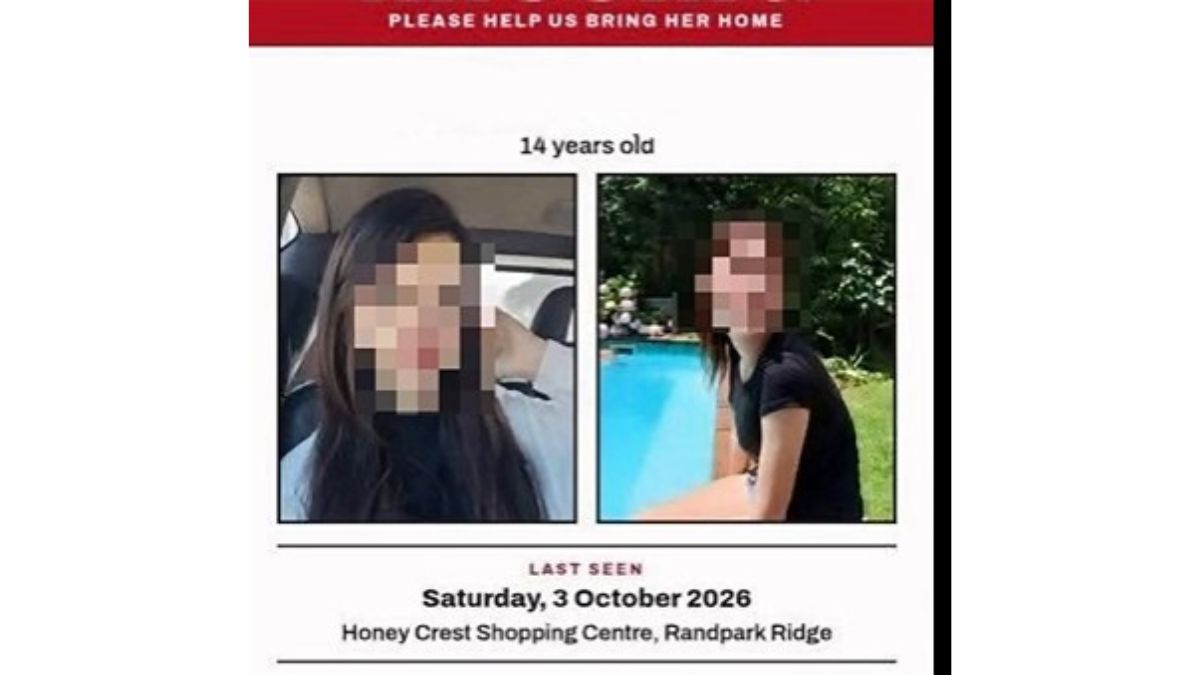
A 14 year old beautiful girl has gone missing but what is worse is that she is home and  She is safe at home.
I want to use this incident to share something I have learned over 25 years of dealing with missing people and worried families. I learnt the hard way because I made this mistake and eventually had to apologise to a young lady 15 years after my Facebook post. Please be very careful before putting the photograph and name of a 14-year-old child all over social media. I am not saying that a missing child should not be taken seriously. Every missing child must be treated seriously, and where there is any concern for their safety, the proper authorities and experienced people should be contacted immediately.
But there is an important difference between a child who has been kidnapped, snatched, taken by force or is clearly in danger, and a teenager who has not arrived home and whose circumstances are still unknown. In the first few hours, parents are understandably terrified. They are under enormous stress and often don’t yet know the full story themselves.
Then social media takes over. A photograph is posted. It gets shared hundreds or thousands of times. Within hours, a 14-year-old child’s name and face can be all over the internet. And even when she walks safely through the front door the next morning, the internet doesn’t walk away with her. That digital footprint can remain for years.
Over many years I have learned that the backstory often comes out gradually. At first we hear, “She has never done anything like this before.” Then another piece of information emerges, and another. Sometimes it becomes clear that something very serious has happened. Other times it turns out to be a frightened, confused or rebellious teenager testing boundaries.
At 14, children are going through an incredibly vulnerable stage of life. They are becoming independent, testing limits and learning about relationships, trust and risk. They can also be vulnerable to manipulation by older people. They still need adults protecting them. But protecting them also means protecting their dignity and their future.
That is why I have been advising the family today not to rush onto social media while we tried to understand what had happened. She has now returned home safely. If you shared her photograph, please take it down. The intention behind sharing is almost always good. People want to help. I understand that completely. But sometimes helping means knowing when to broadcast and when not to broadcast. There are ways of putting safety systems in place beforehand so that young people can have independence without feeling that their parents are watching every movement. That is something I have worked on for many years — creating the “what if” plan before the crisis happens.
When something does go wrong, the first job is to establish: What actually happened? Is this a teenager who has simply not come home? Is she vulnerable or being manipulated? Is she in danger? Or are we dealing with an abduction or another serious crime? Those situations require very different responses. Experience helps enormously in making that assessment. So my advice, particularly to younger parents, community groups and people who run social-media pages, is simple: Think before you ink.
Act quickly. Take every disappearance seriously. Get the right people involved. But before permanently placing a child’s name, photograph and personal circumstances onto the internet, make sure it is necessary. Our job is not only to bring children home safely. It is also to protect the life they still have ahead of them. I’m available to help our members. I’ve been doing this for 25 years, and when I see situations like this, I take them very seriously.
Tonight, the important news is: She is home. She is safe. Please let her now have her privacy back.