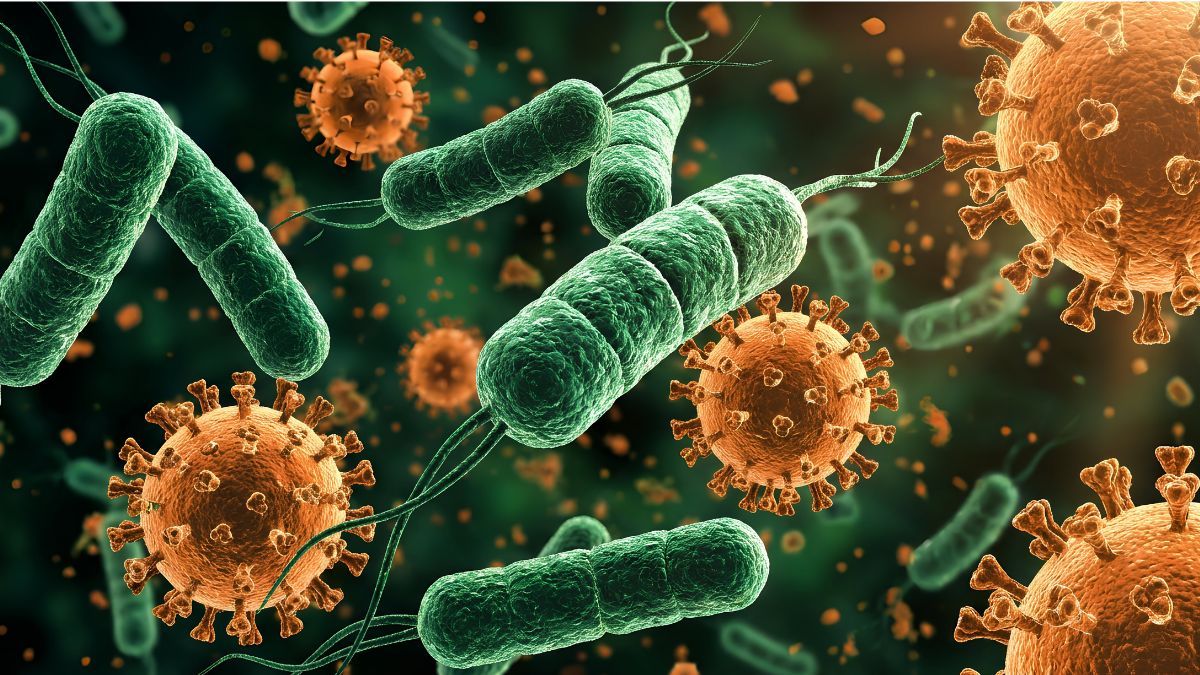
The DA wants answers about the occurrence of drug-resistant Klebsiella pneumoniae-infections in public hospitals and the steps being taken to protect patients.
According to Michéle Clarke, the DA's health spokesperson, a study found that nearly 80% of the Klebsiella pneumoniae-bacteria examined at three academic hospitals in Johannesburg showed resistance to various antibiotics.
According to Clarke, the study was conducted by the University of the Witwatersrand's vaccine and communicable diseases research unit, Wits-VIDA, and the National Institute for Communicable Diseases (NICD) at Charlotte Maxeke, Chris Hani Baragwanath and Helen Joseph hospitals.
Clarke says nearly half of the bacteria in the study also showed resistance to carbapenems. These antibiotics are used to treat serious bacterial infections.
More than 6 000 Klebsiella pneumoniae cases this year
She says more than 6 000 cases of Klebsiella pneumoniae have already been reported to the NICD this year, including nearly 2 000 cases in newborns. According to her, over the past three years an average of about 3 000 cases have been reported annually.
What the DA wants to know
Clarke says the DA will question the national department of health and the National Health Laboratory Service during a parliamentary health portfolio committee meeting about the infections.
The party wants to know how many cases have been reported in public health facilities in each province over the past three years and how many patients, as far as is known, have died from it. The DA also wants details about plans to manage outbreaks and prevent further spread.
Klebsiella pneumoniae can be spread among other ways through healthcare workers' hands, contaminated equipment and shared patient care spaces.
Nuusflits asked the Gauteng department of health and the NICD for comment. The article will be updated once feedback is received.
This article is an automatic English translation of a Nuusflits article originally published in Afrikaans. Read the Afrikaans original.