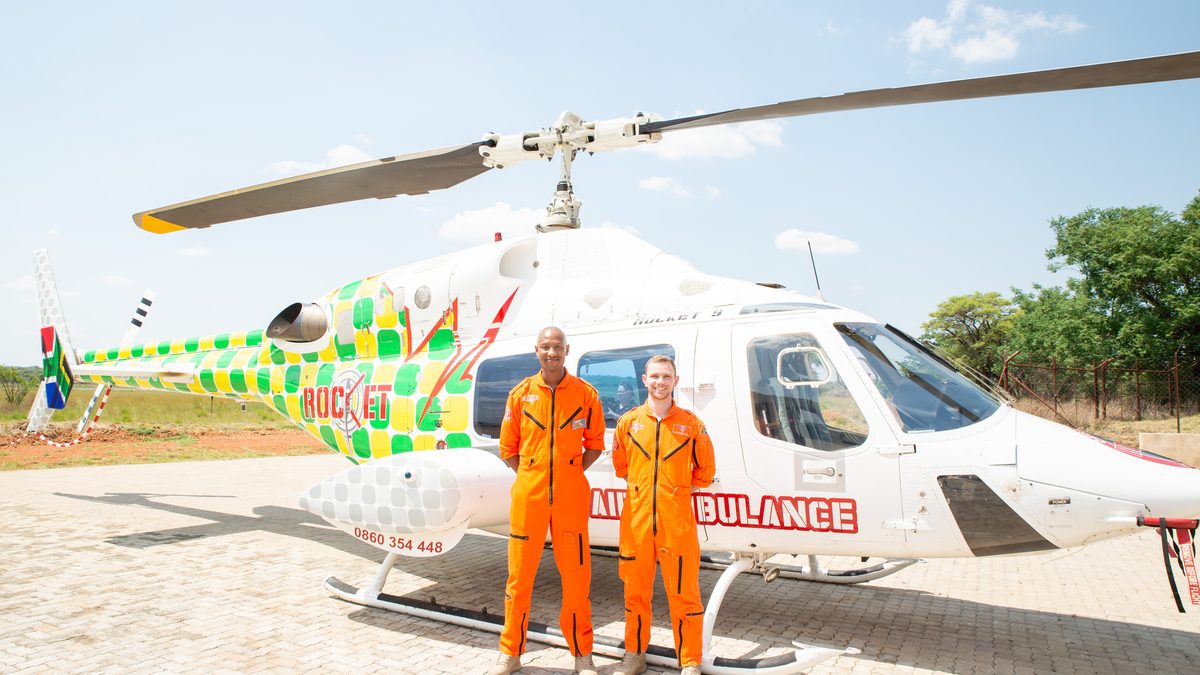
ROCKET, South Africa's largest independent air ambulance provider, officially launched its private air ambulance service in Polokwane on five November. The ROCKET air ambulance in Polokwane has been operational since one November and expands the organisation's air medical emergency care to the private sector in Limpopo.
The service operates from Polokwane's civil airport and builds on ROCKET's existing partnership with the Limpopo Department of Health. ROCKET has been operating the Pride of Limpopo air medical service from Polokwane on behalf of the department for four years.
"The establishment of a dedicated private air ambulance service in Polokwane is an important step to expand access to specialised medical emergency care across Limpopo," says Hendrik Louw, chief executive officer of ROCKET.
"Our focus is on ensuring that patients and communities have access to an integrated medical emergency capability where rapid intervention, clinical decision-making and appropriate transport can make a meaningful difference to patient outcomes."

ROCKET air ambulance Polokwane: support for state and private sector
The expanded service delivers time-critical medical emergency care and patient transfers to the private market in Limpopo's remote areas. Operations remain integrated in the broader health system through coordination between emergency services personnel, receiving hospitals and other healthcare role players.
The Polokwane base also creates additional capacity to support the Limpopo Department of Health during periods of high call volumes.
According to ROCKET, an air ambulance service is particularly relevant where time, distance, road infrastructure, geography or a patient's clinical condition make rapid access to definitive medical care essential. By integrating aviation operations with clinical expertise and medical emergency coordination, specialised resources can be mobilised quickly and critically ill or injured patients can be transferred to an appropriate facility.
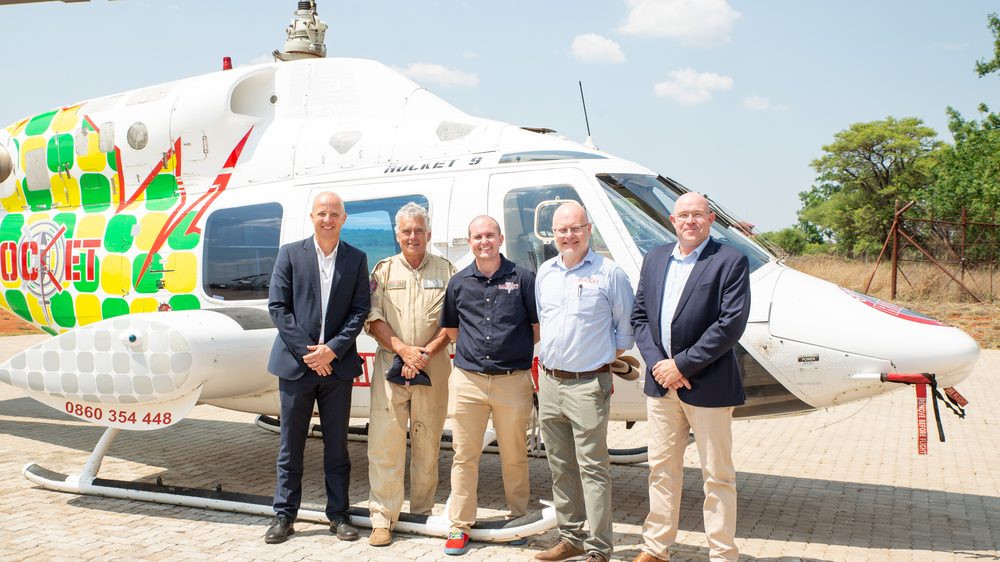
ROCKET Connect members in Limpopo
The Polokwane service also strengthens the medical emergency care available to ROCKET Connect members in the region. ROCKET Connect is a subscription service that gives individuals, families, businesses and tourism organisations direct access to ROCKET's medical emergency infrastructure.
Members can activate assistance through the ROCKET Connect application or through ROCKET's emergency operations centre, which is available 24 hours a day. In a medical emergency, members get access to authorised ground ambulance services in ROCKET's network and to air ambulance response where the patient's condition and ROCKET's flight criteria justify it.
The emergency operations centre coordinates the response and remains continuously involved in the patient's journey, so members, their families and business management teams have a single point of contact during an emergency.
For private members, the benefit of an air ambulance operating from Polokwane is the proximity of ROCKET's air medical resources in the region, subject to clinical need, aircraft availability, weather, the suitability of the landing site and ROCKET's flight criteria.
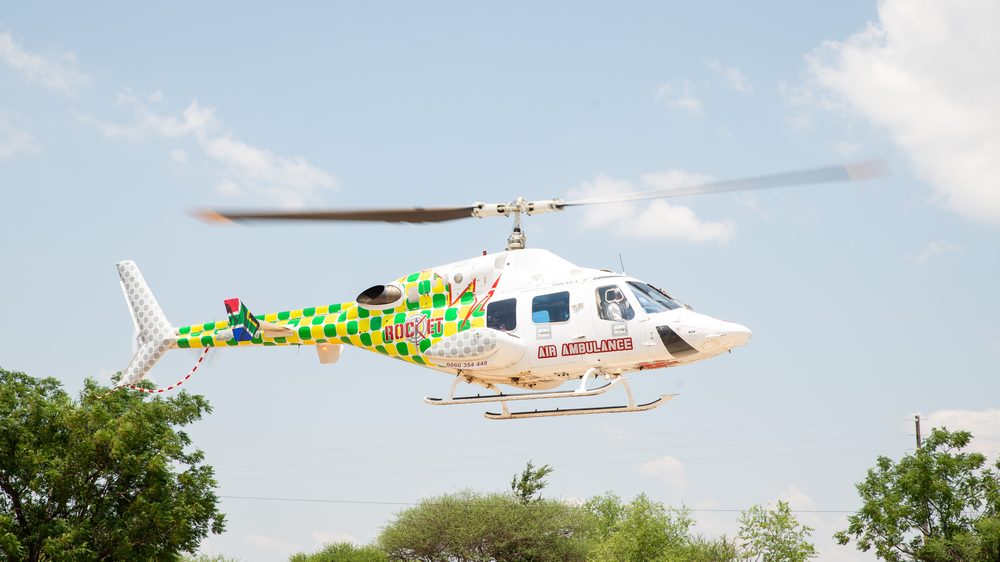
Beyond the metropolitan centres
"The new Polokwane service strengthens our private air ambulance infrastructure and improves access to specialised air medical response outside South Africa's major metropolitan centres," says Louw.
"By integrating air medical capability, medical emergency expertise, centralised coordination and ground-based emergency service resources, we provide a coordinated, patient-centred medical emergency response focused on clinical and operational safety."
ROCKET provides medical emergency care and air medical services 24 hours a day and is part of Henley Group Holdings, which owns and operates the largest twin-engine helicopter fleet in South Africa. The organisation has an internal emergency operations centre, professional air medical teams, experienced pilots and an extensive network of authorised ground ambulances.
This article is an automatic English translation of a Nuusflits article originally published in Afrikaans. Read the Afrikaans original.