
KWAZULU-NATAL. – Twee jong vroue wat oorsee werk, is op 6 Januarie by ‘n wildreservaat in Suid-Afrika, waar hulle met vakansie was, aangeval. Die pleknaam was aanvanklik nie bekend gemaak nie. Dit was ’n verantwoordelike stap om die ondersoek te beskerm, volgens Brad Nathanson Investigations, wat vra dat veiligheidsprotokolle by vakansieplekke prioriteit moet geniet.
Luidens ‘n verklaring van Brad Nathanson Investigations was daar rede om te vermoed dat inligting oor die twee jong vroue deur personeel by die reservaat uitgelek is en dat die verdagtes moontlik uit die onmiddellike omgewing kom. Die bekendmaking van die naam sou die risiko ingehou het dat die aanvallers gewaarsku kon word en die ondersoek in gedrang bring. Die reservaat is intussen geïdentifiseer as Tala-privaatwildreservaat naby Camperdown in KwaZulu-Natal.
Die verklaring wys op verskeie veiligheids- en kommunikasietekortkominge, insluitend dat familielede vir sowat 40 minute vergeefs probeer het om die reservaat te kontak, dat ontvangs om 20:00 sluit sonder ’n alternatiewe noodnommer, en dat geen noodkommunikasietoestelle, paniekknoppies of duidelike noodprosedures vir gaste beskikbaar was nie.
Brad Nathanson Investigations sê die slagoffers het ernstige fisieke en emosionele trauma opgedoen en beklemtoon dat luuksheid sonder voldoende sekuriteit ’n risiko inhou. Volgens die verklaring moet wildreservate in ’n hoëmisdaad-omgewing soos Suid-Afrika proaktiewe, sigbare veiligheidsmaatreëls instel om gaste se veiligheid te verseker.
Kol. Robert Netshiunda sê aan Nuusflits Camperdown-polisiekantoor ondersoek ’n saak van huisroof ná ’n voorval by ’n wildreservaat in Eston op 6 Januarie, waar twee vroue na bewering van hul besittings beroof is. Volgens rapportering het ’n man die huis betree en ’n fisiese stryd met een van die vroue gehad. Toe haar vriendin haar kom help, het ’n tweede verdagte die huis binnegegaan. Die twee verdagtes het glo die vroue binne toegesluit en het met selfone, ’n kamera en klere gevlug. Tot dusver is daar nog geen inhegtenisnemings gemaak nie.
Nuusflits het kommentaar van Tala gevra. Lees wat Brad Nathanson Investigations sê hier onder.
LUXURY WITHOUT SECURITY IS A LIABILITY
The reason the name of the game reserve was initially withheld is straightforward and responsible. We had reason to suspect that information relating to the two victims may have been unlawfully passed on by staff employed at the reserve, and that the suspects are therefore likely local to the immediate area.
Had the reserve been named at that stage, it would have created a real risk that the very staff members suspected of leaking information could have alerted the perpetrators, effectively putting them “into the wind” and compromising the investigation.
Unfortunately, despite this caution, individuals with no involvement in the investigation disclosed the name of the reserve publicly and without consideration for the consequences. As a result, the reserve is now widely identified as Tala Private Game Reserve, near Camperdown, Durban, KZN.
Alleged threats by a representative of the reserve to “embarrass” the family of the victims are deeply concerning, noted and denied by Tala directors. However, these allegations are eclipsed by more troubling factual issues that require attention.
The victims identified multiple failures that should reasonably have been addressed by the reserve to reduce risk and trauma:
• After Louise contacted her mother to say they were under attack, the family attempted for 40 minutes to contact the reserve, without success.
• The family was later informed that reception closes at 20:00. While this may be acceptable operationally, no alternative emergency contact number was provided.
• There was no telephone in the cottage. Again, this may be acceptable in isolation, but no two-way radio or alternative emergency communication device is provided.
• There were no panic buttons.
• There was no clearly defined emergency procedure in place for guests.
• There was no deadbolt to lock the doors from inside.
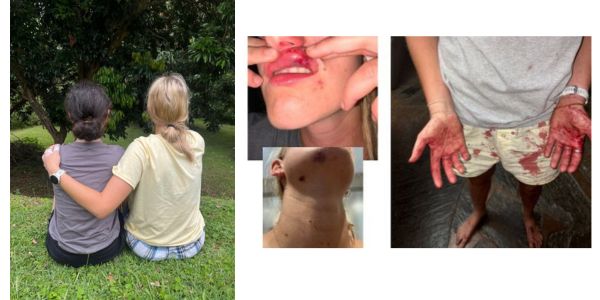
These two young women have suffered significant physical, emotional, and psychological harm. Their trauma has manifested in severe anxiety, emotional breakdowns, and insomnia. According to the families, as of this moment, no representative of the reserve has contacted them to check on their well-being. Leanne is now on anti-retrovirals because of the transfer of blood between her and one of the suspects during her fight for her life.
Their losses were not only financial. They lost a sense of safety, a sense of trust, and a part of their innocence. Recovery from such trauma is not immediate, it takes time, accountability, and acknowledgment. To date, those elements remain absent albeit that in a conversation with one of the directors today, we are assured that they are doing all in their power to identify the suspects and bring them to book whilst at the same time, taking stock of their shortcomings, including PR insofar as this incident is concerned.
Game reserves sell safety, isolation and trust. In South Africa today, that trust must be actively protected.
Following recent violent incidents country-wide, it is no longer enough for lodges and reserves to rely on remoteness, reputation, or good fortune. Criminals understand that tourists are relaxed, unfamiliar with their surroundings, and often lightly protected. That makes game reserves attractive targets unless security is deliberate, visible and layered.
Effective protection starts with controlled access, proper vetting of staff, contractors and vehicles, not just guests. It requires real perimeter security, not symbolic fencing, supported by patrols, lighting and early-warning systems. Lodges should have clear night protocols, including escorted movement after dark, monitored pathways, and rapid response capability. Most importantly, reserves must invest in intelligence-led security; understanding local crime patterns, labour tensions, access routes and recent incidents beyond their boundaries.
Luxury without security is a liability. Wildlife may be wild, but guest safety cannot be left to chance. In a high-crime environment like South Africa, proactive security is no longer optional, it is part of ethical tourism, legal duty, and brand survival.
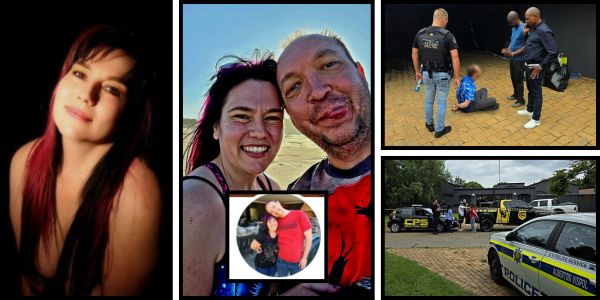
In photo today – Louise and Leanne – Happy to be alive and celebrating life together at a family home.