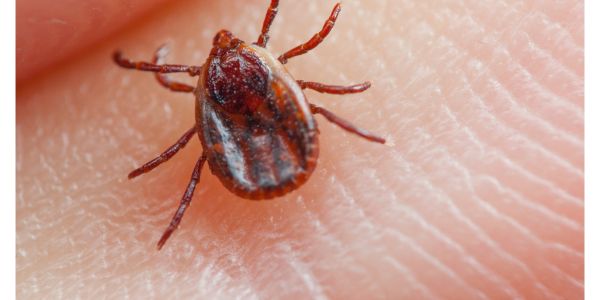
Ticks are more than a minor irritation – they can seriously affect cattle health, leading to weight loss, poor fertility, hide damage, reduced milk yield, and even death. As exotic tick species spread and resistance to pesticides increases, integrated tick control has become more critical than ever, says Thapelo Kgosi Ramokala, animal health specialist at the Beefmaster Group.
Also read: Beefmaster: Meet the Farmer
“Ticks are among the most important external parasites affecting livestock in South Africa,” asserts Ramokala. “They not only cause direct damage by sucking blood and irritating the skin, but also act as vectors for serious tickborne diseases.”
Common tick species and diseases
The main types of ticks found on beef cattle in South Africa include the blue tick (Rhipicephalus decoloratus), bont-legged tick (Rhipicephalus appendiculatus), Bont ticks (Amblyomma hebraeum and Amblyomma variegatum), brown-ear tick (Rhipicephalus appendiculatus) and the Karoo paralysis tick (Rhipicephalus evertsi evertsi). Other significant species are the invasive Asian blue tick (Rhipicephalus microplus) and Hyalomma ticks (Hyalomma marginatum, Hyalomma rufipes and Hyalomma truncatum). “These hard ticks are primarily responsible for transmitting deadly tick-borne diseases,” says Ramokala.
The most common tick-borne diseases are redwater, spread by blue ticks; gall sickness or anaplasmosis, mainly transmitted by blue ticks; and heartwater, which is spread by bont ticks. Hyalomma ticks also cause tick toxicosis and spread diseases such as Crimean Congo haemorrhagic fever in wildlife and humans.
Ramokala says that understanding tick lifecycles is key. “One-host ticks like R. microplus complete their entire lifecycle on a single animal and can be managed with strategic dipping,” he explains. “Three-host ticks like A. hebraeum drop off between life stages, making them harder to control.”
Chemical control: still the first line of defence
The most popular form of defence against ticks is chemical control. “Acaricides are the most widely used pesticides to control tick infestations,” Ramokala states, adding that they can be applied via dipping tanks, spray races, pour-ons and injectables. “Proper rotation of acaricide classes (organophosphates, amidines, pyrethroids and macrocyclic lactones) is essential to slow down resistance.”
Furthermore, strategic dipping is essential. “Not dipping too often allows animals time to build some natural immunity to tick-borne diseases, while still keeping tick populations manageable,” he comments.
Resistance is a growing threat
Over decades, ticks in South Africa have developed resistance to nearly all major acaricide groups. “This is mainly due to overuse or incorrect dosage,” argues Ramokala. “Farmers are also guilty of dipping at irregular intervals or under-dosing.”
Another problem is using the same pesticide repeatedly without rotation. “Resistance results in poor kill rates, forcing farmers to dip more frequently, which worsens the problem,” he says.
In terms of managing resistance, farmers need to rotate chemicals by class. “They should use a combination of products where appropriate and monitor dip-wash concentrations to avoid underdosing.”
Non-chemical options
Ramokala says not many beef farmers are aware of the ways that they can protect their cattle without resorting to pesticide, but this can be done through pasture management, such as rotational grazing and veld resting to reduce tick numbers.
Another effective control measure is breed selection.
“Indigenous breeds like Nguni and Afrikaner cattle show higher tick resistance compared to exotic breeds. There’s also biological control through natural predators, such as birds, ants and fungi.”
Looking ahead
According to Ramokala, acaricide resistance is the biggest challenge to tick management, threatening the long-term viability of many beef farmers. “In addition, resource constraints in communal farming areas make structured tick control difficult.”
He believes future management will likely rely more on vaccines against ticks and tick-borne diseases, should they become available, improved farmer training and integrated tick management programmes tailored to smallholder and commercial farmers alike.
“Farmers need to know their farm’s specific tick challenges, including the dominant species and their seasonal patterns, to plan an effective control regime,” he concludes.
*PRESS RELEASE
Also read: Beefmaster: Meet the Farmer