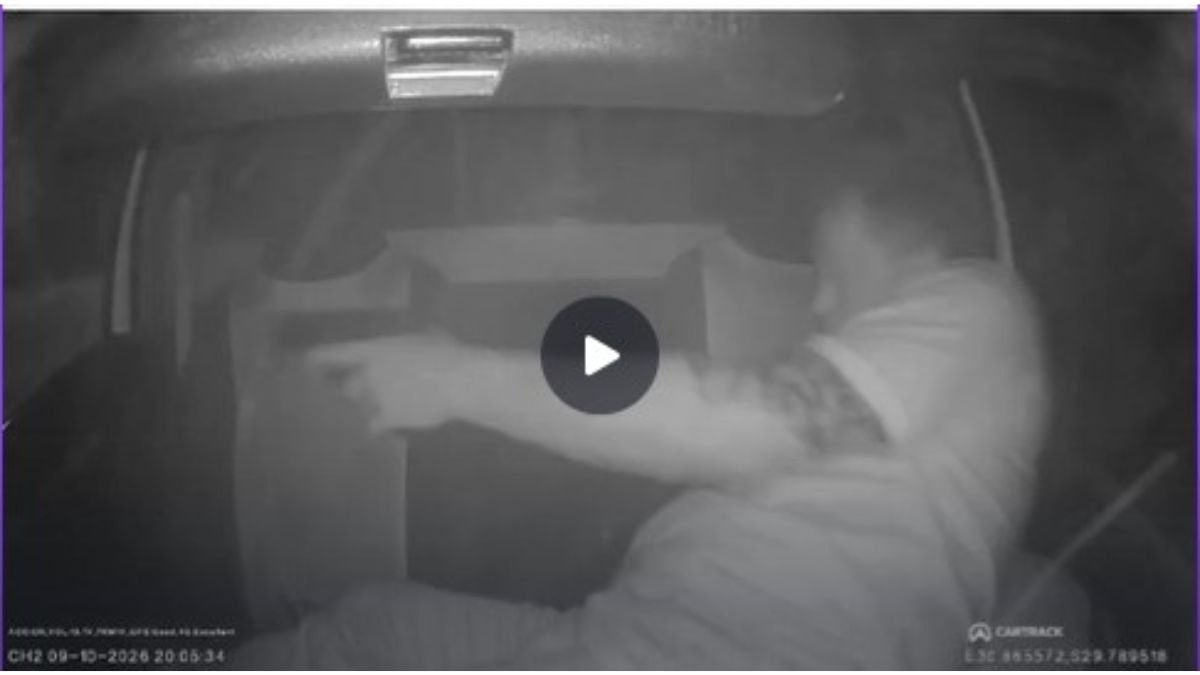
KWAZULU-NATAL. – Die voorval waarin Sidney Hill op 9 Oktober in Pinetown teruggeskiet het toe gewapende mans hom en sy kinders na bewering tydens ’n poging tot motorkaping aangeval het, het die debat oor private verdediging en wettige vuurwapenbesit opnuut laat opvlam.
Die polisie het bevestig dat een vermeende aanvaller noodlottig gewond is en dat ‘n verdagte intussen in hegtenis geneem is nadat die ander verdagtes op die vlug geslaan het. Sake van poging tot moord, poging tot motorkaping en ’n geregtelike doodsondersoek is geopen. Die voorval is op ’n voertuigkamera vasgelê en die beeldmateriaal is wyd op sosiale media versprei.
Shaun Schutte, direkteur van Black Knight Bodyguards, voer in ’n kommentaarstuk aan dat mense die reg het om hulself en hul gesinne teen ’n onmiddellike onregmatige aanval te verdedig. Hy beklemtoon dat ’n persoon nie noodwendig hoef te wag totdat hy of sy beseer is voordat daar teen ’n dreigende aanval opgetree word nie. Schutte bespreek ook die rol van wettige vuurwapenbesit en die moontlike beslaglegging op ’n vuurwapen wat tydens ’n skietvoorval gebruik is. Suid-Afrikaanse regspraak bevestig dat private verdediging in toepaslike omstandighede regmatig kan wees, maar dat elke geval volgens sy eie feite beoordeel moet word. Die geweld wat gebruik word, moet redelik wees in verhouding tot die gevaar en nodig wees om die aanval af te weer. Die polisie se ondersoek na die Pinetown-voorval duur voort; daar is nog geen hofbevinding oor die regmatigheid van Hill se optrede nie.
Lees Schutte se volledige plasing hier onder:
DURBAN SHOOTING: THE RIGHT TO FIGHT BACK
A Durban driver opens fire during an attempted hijacking. Dashcam footage spreads across social media, accompanied by claims that three attackers were killed. Police have provided a more specific account: one suspected attacker was fatally wounded, while the others fled.
According to SAPS spokesperson Lieutenant Colonel Paul Magwaza, the incident happened on 9 October 2026 along Lea Place in Pinetown. A white vehicle blocked the driver as he left his property. Magwaza said the suspects opened fire and the driver returned fire. Police opened attempted murder, attempted carjacking and inquest cases. The footage circulated widely on 22 October.
That police account matters. The complete investigation must establish the circumstances throughout the shooting, but the legal principle is already clear: you do not have to wait for an immediately threatening attack to wound you before protecting yourself. South African law recognises private defence against an unlawful attack that has begun or is imminent.
MY LIFE MATTERS
My life matters. My property is mine, and I have the right to defend both against an unlawful attack. Whether the attackers intend to rob, hijack, kidnap or kill me, I have the right to use lethal force when necessary and reasonably proportionate to stop an imminent or ongoing unlawful attack threatening death or serious injury. That right lasts while the threat justifies it.
As a human being, I am entitled to value my existence and protect it. Someone choosing to attack me does not impose a moral obligation on me to accept injury or death rather than defend myself. That principle applies to every ordinary person suddenly confronted by violence.
Your vehicle is also legally protected property, and you may protect it with necessary and proportionate force. Its value alone does not automatically justify killing. When an attacker threatens your life to take it, however, your right to defend yourself remains intact.
THE VEHICLE MAY ONLY BE THE BEGINNING
Between April and June 2026, South Africa recorded 3,811 carjackings—approximately 42 every day. That was an 18.2% decrease compared with the same quarter in 2025. The improvement deserves acknowledgement; the remaining scale of the crime deserves equal attention.
During those same three months, 4,638 kidnappings were recorded nationally, approximately 51 a day. Gauteng accounted for 2,367, more than half the national total. These categories overlap and cannot be added together as separate victims.
An Institute for Security Studies analysis of SAPS data for 2023/24 linked 44% of kidnappings to hijackings and another 22% to other robberies. The police sample covered 14,646 of the 17,061 recorded kidnapping cases. These percentages describe kidnapping circumstances; they do not mean that 44% of hijacking victims were abducted.
ISS describes victims being held while criminals force ATM withdrawals or transfers through banking applications. Handing over the keys has not ended those encounters. The criminal has taken the vehicle and now controls the person whose money they intend to steal.
That is why the assumption that someone confronting an armed attack is simply risking their life over an insured possession deserves to be challenged. Their life and freedom may already be at risk.
SOME VICTIMS NEVER COME HOME
On 3 April 2024, Kaizer Chiefs footballer Luke Fleurs was confronted by armed men at a Johannesburg petrol station. The 24-year-old was shot in the chest and killed, and his attackers drove away in his vehicle.
In September 2026, former SABC sports presenter Owen Ndlovu was reportedly hijacked and kidnapped in Katlehong while travelling to fetch his wife from church. His body was subsequently found in Thokoza. The Gauteng Provincial Legislature cited his death when raising alarm about kidnapping.
On the night of 14 October 2026, a BMW owner was shot during an attempted hijacking in Glenwood, Durban. ALS Paramedics confirmed the following morning that he had died in hospital from his injuries.
These cases do not establish that carrying a firearm or resisting would have saved each victim. They establish that crimes involving vehicles can end in murder. Surrendering property cannot be presented as a guarantee of survival, just as armed resistance cannot be presented as one.
THE LAW RECOGNISES YOUR RIGHT
The Constitution of the Republic of South Africa, 1996 protects the interests threatened during an unlawful attack:
• Section 11 protects life.
• Section 12(1)(c) protects freedom from violence originating from public or private sources.
• Section 12(2) protects bodily and psychological integrity.
• Section 25 protects against arbitrary deprivation of property.
The direct legal justification for using force comes from the common-law doctrine of PRIVATE DEFENCE, applied within that constitutional framework. The attack must be unlawful and already happening or immediately threatening. Your response must be necessary, directed against the attacker and reasonably proportionate to the danger.
On 27 November 2009, in Steyn v S, the Supreme Court of Appeal upheld private defence where a woman shot a man who was about to attack her with a knife. The court explained that proportionality requires consideration of all the circumstances, rather than a rigid comparison between weapons.
The weapons, relative numbers and strength, speed of events and available alternatives matter. A person confronting immediate violence must be assessed in the circumstances they faced. The opportunity to pause and replay a recording was never available to them.
No person facing an imminent threat of death or serious injury should be expected to hesitate until they are wounded. You have the right to act decisively within the law. Your actions may be investigated, but an investigation does not itself mean you acted unlawfully.
CAN POLICE TAKE YOUR FIREARM?
Yes. Sections 20–22 of the Criminal Procedure Act 51 of 1977 permit police to seize relevant evidence, subject to the applicable warrant requirements or lawful exceptions. That can include the firearm used by someone claiming private defence. Ballistic examination can help establish what happened and provide evidence against the attackers.
Taking a firearm as evidence does not automatically cancel its owner’s licence or declare them unfit to possess firearms. Those involve separate legal grounds and procedures under the Firearms Control Act. Nor does taking the firearm used automatically authorise the seizure of every other firearm the person lawfully owns.
If it is the owner’s only firearm, its removal leaves them without that means of protection. That practical consequence deserves attention, and retention must remain legally justified. Section 31 provides for return when its requirements are met, including lawful possession and the absence of a continuing evidential or court-order requirement. Completing ballistics does not necessarily end the need to retain an exhibit.
The reporting available does not establish whether police took the Pinetown driver’s firearm. We should not present that as something known to have happened.
LAWFUL FIREARM OWNERSHIP HAS A PURPOSE
Section 13 of the Firearms Control Act 60 of 2000 provides for firearm licensing for self-defence where the need cannot reasonably be met through other means. I support competent, responsible and lawful firearm ownership because people must have access to the means of protecting themselves.
Being armed carries responsibility. So does making a decision that can end a life, even when that decision is lawful and necessary. Taking that responsibility seriously is entirely consistent with refusing to surrender your right to survive.
A person should not be condemned merely for surviving through lawful private defence. Ordinary people have the right to protect their lives, and that right deserves the same serious attention as the consequences of exercising it.
DISCLAIMER
This commentary draws on publicly available reporting and general South African legal principles. It does not determine criminal liability in any individual case. Unconfirmed allegations remain identified as such.
I cannot see who shares all my posts or comments made on shared copies. Anyone sharing this post is responsible for their accompanying comments. Altered copies are beyond my control; verify the original on my page.
Written by Shaun Schutte