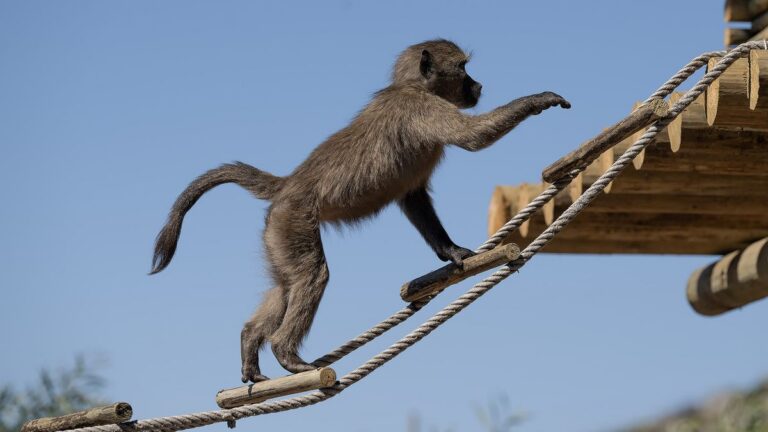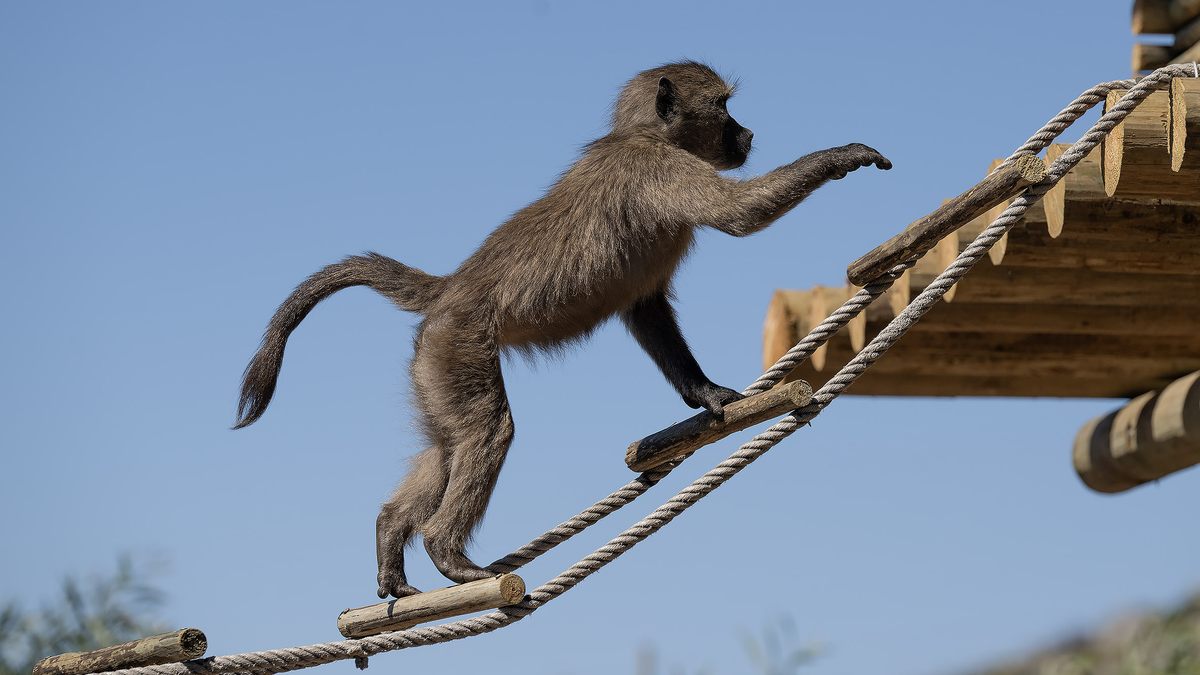
The 44 baboons of the Waterfall troop relocated from Simonstown to the Urban Wildlife Centre at Kogelfontein over the past weekend are settling well in their new environment, according to the Cape Peninsula's joint baboon management task team.
The animals are playing, foraging, using the water pools and resting on the roofs of specially designed sleeping structures, the task team said.
The centre is located in a natural area adjacent to Table Mountain National Park. The environment has river features, vegetation, forests, small trees, rocks and sandy areas where the baboons can dig and forage.
Waterfall troop monitored continuously at Kogelfontein
According to the task team, which includes representatives from SANParks, CapeNature and the City of Cape Town, the animals are cared for and monitored at all times. They are also protected from injury by people, dogs and traffic, as well as from access to unsuitable human food.
Three wildlife veterinarians examined each baboon before release into the enclosure. One elderly female was excluded after the examination revealed she was in very poor health. The other 44 baboons were safely and unharmed relocated to Kogelfontein, according to the task team.
No males underwent vasectomies, while the females received contraceptive implants.
Enclosure of 2.31 hectares
The enclosure is 2.31 hectares in size and features drinking water, a pool, shelters and platforms for sleeping and resting. The baboons' natural diet is supplemented and food is scattered to encourage them to forage.
The troop was relocated under the approved action plan for baboon management on the Cape Peninsula. The task team cited ongoing conflict between people and baboons in Simonstown, limited natural habitat and concern for the animals' welfare and public safety among the reasons.
More than 530 baboons still live wild on the Cape Peninsula and play an important ecological role, according to the task team.
Photo: The Waterfall troop exploring their new environment at Kogelfontein. Photo: Supplied
Read also: Overstrand Municipality reviews plan to manage baboons
This article is an automatic English translation of a Nuusflits article originally published in Afrikaans. Read the Afrikaans original.