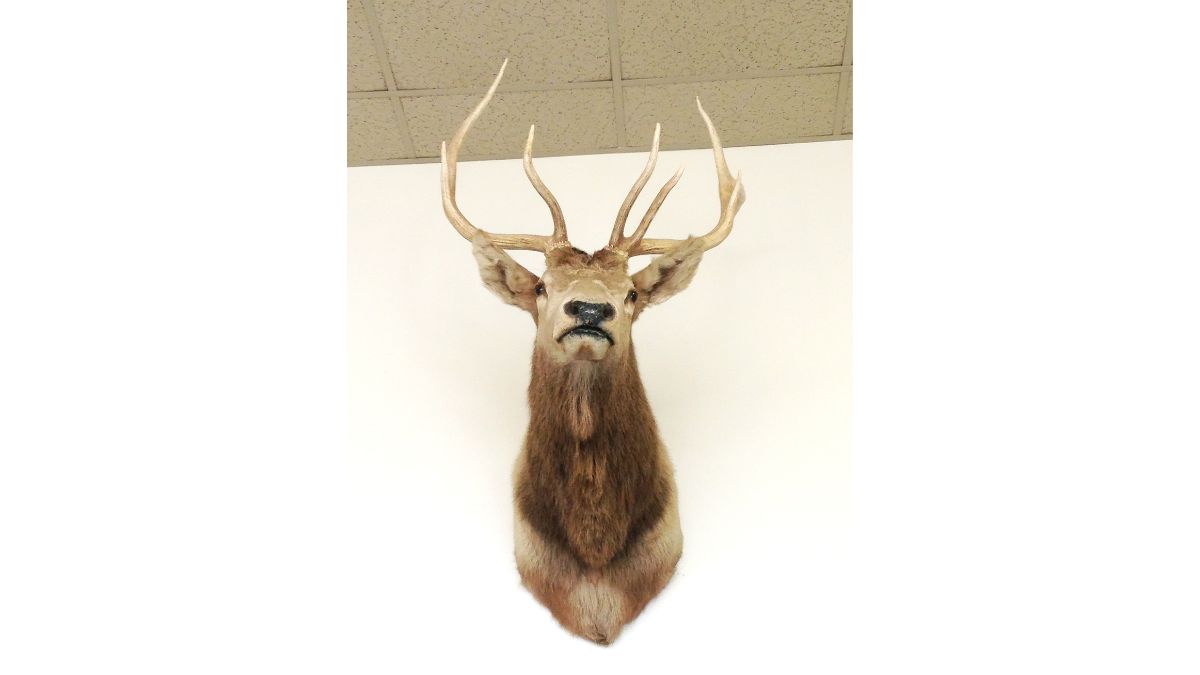
WESTERN CAPE. – Trophy hunting's impact on conservation and communities differs. A new study by international researchers, including from Stellenbosch University, shows that the impact of trophy hunting on conservation and local communities cannot be simply classified as positive or negative. In the study, more cases were positive than negative, with a percentage that was unclear.
Researchers analysed 89 scientific articles on trophy hunting in thirteen countries south of the Sahara. In 65% of the cases, positive outcomes for conservation or community welfare were recorded, compared to 26% negative and 9% unclear outcomes. In 92% of the cases, trophy hunting was linked to an increase in land under conservation management.
Martin Viljoen, Stellenbosch University spokesperson, says the study shows among other things that outcomes were more often positive where local communities and private landowners had rights over land and wildlife and received income from hunting.
Dr Hayley Clements, the lead author and holder of the Oppenheimer-Jamma research chair in African wildlife economics at the Centre for Sustainability Transitions at Stellenbosch University, says: "Trophy hunting is one of Africa's most controversial conservation strategies. A total of 23 countries in Africa south of the Sahara permit it and there is increasing pressure in Europe and elsewhere in the global North to ban the import of hunting trophies entirely. Public debates about trophy hunting are, however, often driven by ethics and assumptions rather than evidence. To date, no study has presented all the scientific evidence on whether this practice helps or harms conservation and local communities." She adds: "There is a tendency to judge trophy hunting as either unconditionally good or unconditionally bad. Our review shows that the reality is much more context-specific – and policymakers can act on the basis of that context."
Pressure here to read more. And here to read the published study, Conservation Letters, to read.

Photo: Haylee Clements (Photo credit: Stellenbosch University)
This article is an automatic English translation of a Nuusflits article originally published in Afrikaans. Read the Afrikaans original.