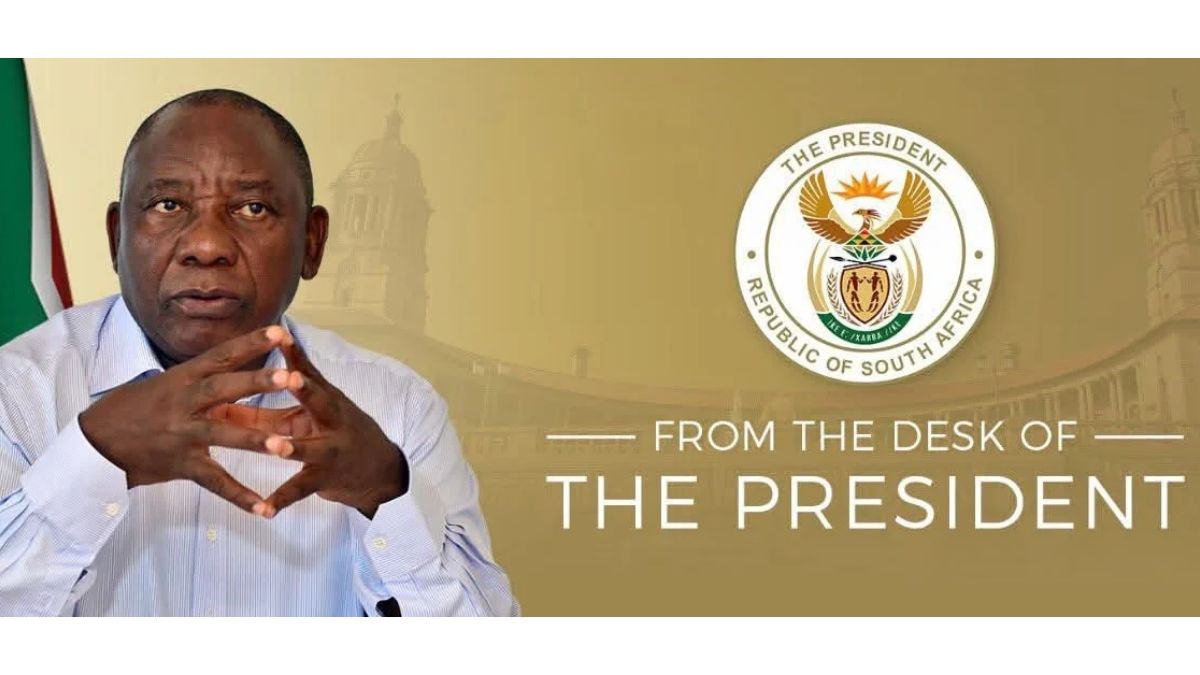
President Cyril Ramaphosa has appealed to all registered voters to participate in the municipal election on Wednesday, 4 November and in doing so help build better, safer and more prosperous communities.
The election is one of the largest in South Africa's democratic history, with 546 political parties and nearly 137 000 candidates competing for positions in the country's municipalities. Ramaphosa said the police have conducted risk analyses, operational planning and simulation exercises over the past months to ensure that voting day proceeds peacefully and safely.
He warned that political power and resource competition in municipalities has already led to violence, disruption of council meetings and the murder of ward candidates, councillors and municipal officials. Ramaphosa said voters have an extraordinary choice of candidates and parties and must use their vote to help determine the future of their communities. He emphasised that active citizenship and responsible voting behaviour are essential to ensure that local government fulfils its constitutional responsibilities.
Ramaphosa said in his weekly letter to South Africans that the election takes place as the government aims to comprehensively reform the local government system. The new White Paper on Local Government, which was released last month, proposes among other measures that municipalities' administrative capacity be strengthened, financial management be improved and corruption be curbed. Municipal officials must according to him be appointed on the basis of their qualifications and competence and be held accountable when public funds are misused.
The proposed reforms also include revenue from the sale of water and electricity being set aside to be reinvested in critical infrastructure. A compulsory licensing system for all water and electricity suppliers is also proposed, with minimum competency standards that suppliers must meet.
According to Ramaphosa, municipalities are responsible for the delivery of essential services such as water, sanitation and electricity, which not only affects the quality of life of residents but also forms the foundation of a healthy economy.
Print here to read more.
This article is an automatic English translation of a Nuusflits article originally published in Afrikaans. Read the Afrikaans original.