

GAUTENG. – Ian Cameron, die voorsitter van die parlementêre portefeuljekomitee oor polisie, het sy kommer uitgespreek oor die toestand en kapasiteit van die polisie se Roodeplaat K9-akademie ná ’n onaangekondigde besoek. Hy het bevraagteken waarom sekere telers glo weens BEE-voldoeningsvereistes nie gebruik word nie, terwyl daar ’n tekort aan honde is.
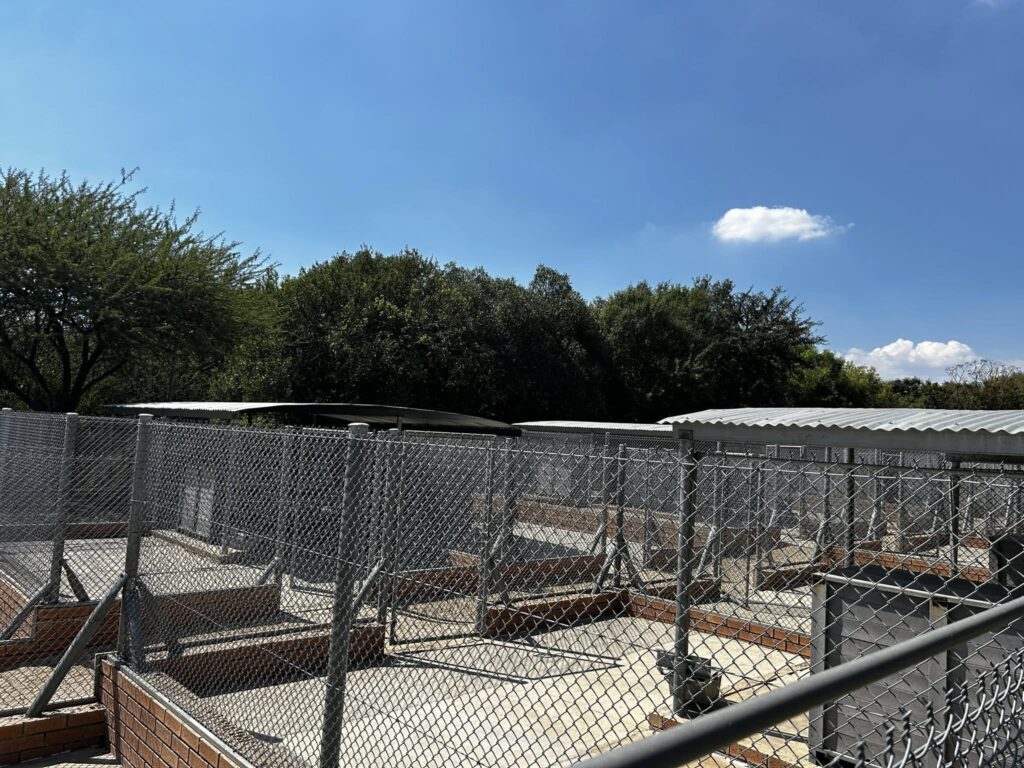
Volgens Cameron is daar tans slegs sowat 97 honde by die fasiliteit wat plek het vir meer as 1 000 honde en dit dui volgens hom ‘n groot tekort aan. Hy sê die situasie wek ernstige vrae oor die land se vermoë om polisiehonde effektief in misdaadbekamping in te span en het daarop gewys dat toegewyde personeel onder moeilike omstandighede probeer om die eenheid aan die gang te hou.
Hy sê die probleem lê nie by die personeel op grondvlak nie, maar eerder by ’n stelsel wat hulle nie voldoende ondersteun nie. Verskeie uitdagings is uitgelig, insluitend swak infrastruktuur, voertuie wat nie in ‘n werkende toestand is nie, en ’n gebrek aan toerusting en begrotings. Volgens Cameron is baie paaie en terreine by die akademie in ’n swak toestand, terwyl hulpbronne vir instandhouding beperk is. Daar is egter ook kommer oor die bestuur van hulpbronne, insluitend hoe geld bestee word en waarom skenkingshonde nie altyd in die provinsies gebruik word waarvoor dit bedoel is nie.
Cameron het voorts beklemtoon dat polisiehonde ’n belangrike rol speel in die bekamping van misdaad soos dwelmhandel, onwettige vuurwapens en georganiseerde misdaad, en dat die huidige tekort ’n direkte impak op operasionele vermoë het. Hy het ook kommer uitgespreek oor die beperkte veeartsenykundige kapasiteit by die akademie, met slegs twee veeartse beskikbaar, terwyl vyf poste bestaan.
Cameron sê toerustingstekorte en vorige siekte-uitbrekings moet deeglik ondersoek word. Ten spyte van die uitdagings het hy die toewyding van personeel, insluitend veeartse en hondehanteerders, geloof en gesê hulle verdien beter ondersteuning en hulpbronne.
Hy het aangedui dat ’n volledige verslag oor sy bevindings binnekort bekend gemaak sal word.
Lees Cameron se volledige plasing hier onder:
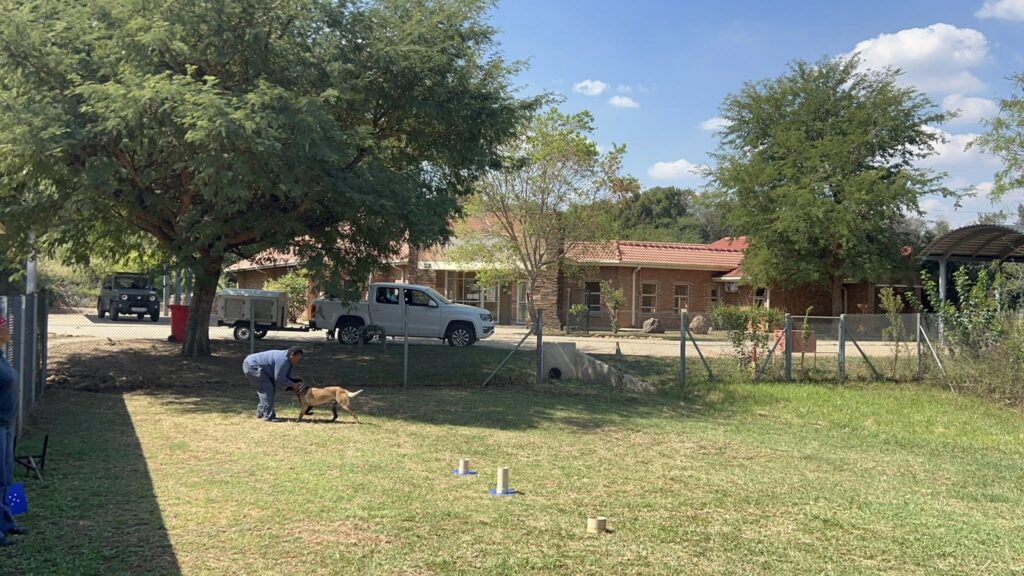
Some feedback on our unannounced visit to the South African Police Service Roodeplaat K9 Academy: Let me start by saying that currently there are just 97 dogs at a facility that can accommodate 1001. This includes breeding stock, a hand full of puppies, donation dogs, those awaiting training, being trained and those needing to be ‘disposed’ of as they explained. I saw issues that raise serious oversight questions about the state of SAPS canine capability or rather their lack there of, but I also saw many dedicated people trying to keep this critical function going under very difficult conditions. Roads are in a horrible condition, paths are overgrown, grass has in many parts become totally unusable due to having overgrown into shrubs, weeds and even amongst small trees. This while groundskeepers don’t have much and in some cases any of the needed gear and budgets are continually being cut.
It is important to say clearly that quite a number of the staff working there are competent, committed and doing their best to make ends meet despite serious shortages in the critical resources they need. The problem is not a lack of effort from many of the people on the ground. The problem is a system that is not supporting them properly and certain critical strategic leaders (some not even based there), that have no clue. It was also encouraging to see that some of our previous oversight findings at other canine units around the country, as well as at the K9 clinic in Durban, have led to some improvement in the procurement of specific critical resources. That shows oversight can make a difference where concerns are taken seriously and acted on. I also want to acknowledge the professional approach shown by the two veterinarians and the veterinary nurses. Their commitment was evident, even in circumstances where veterinary capacity and equipment remain under pressure.
That said, serious concerns remain. South Africa faces a significant shortage of working police dogs, yet there are still unanswered questions about where the budget is going, why donor-supported dogs are not always used in the provinces they were intended for, and why a centralised system appears to be increasing costs while reducing flexibility. And get this, dogs are sometimes not bought because breeders are not BEE compliant, tongue in cheek I must say that soon the colour of the dog will also matter? Something that also grates me is that dogs that are donated in and for a specific province are sometimes sent to other provinces by management instead of back to where they are intended for. Total disconnect between some senior managers and the cops doing to hard yards on the ground. All this matters because police dogs are not a luxury. They are an operational tool in the fight against drugs, illegal firearms, ammunition and organised crime. That raises an obvious question, why have we not seen K9 capacity properly integrated into operations like Operation Prosper?
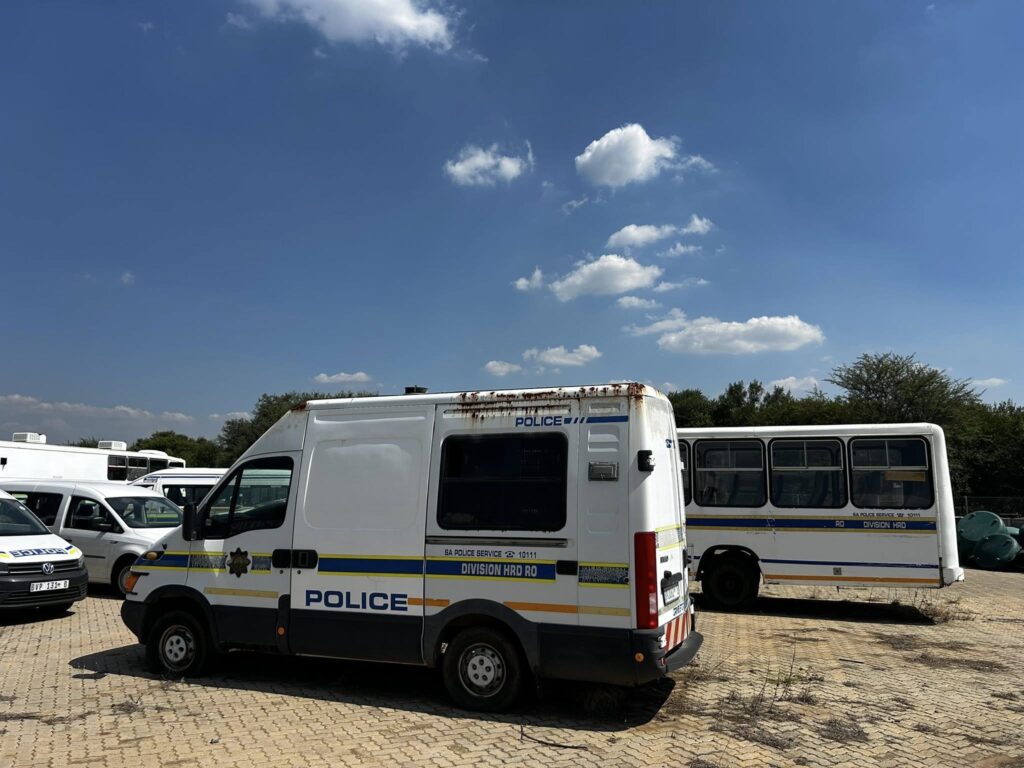
There are also practical questions that need answers. Why is there not greater provincial training capacity, which could reduce costs and strengthen units on the ground? Why are some members who have sourced capable working dogs at their own cost being blocked from using them? Why does a national facility appear to be under pressure while infrastructure is deteriorating, vehicles are in poor condition and accommodation for learners remains unacceptable? Hardly 50% of the academy vehicles are operational. Most reasons for this seems to be linked to irregular procedures by certain people at SAPS garages and thus virtually destroying parts of the Academy budget (Vehicle graveyard pic attached).
The veterinary side is another concern. We were told there are only two qualified vets at Roodeplaat when the fixed establishment says 5 and only three veterinary nurses where the need is higher. The vet hospital still needs critical equipment, including a new ultrasound and incubator. Those are not minor issues. They go directly to animal welfare, disease control and operational readiness. The parvo outbreak from a few years back must be fully explained, including whether proper controls were in place and where accountability lies. Surely a national operation like this cannot come to a standstill because of the outbreaks poor control.
Procurement also needs hard scrutiny. Why is SAPS relying so heavily on a centralised model at Roodeplaat? Why breed mostly, instead of also buying suitable, well-bred dogs where appropriate? And if compliance rules are excluding capable breeders while SAPS has a working dog shortage, then the system is not serving policing. There are good people trying hard under difficult circumstances. They deserve proper support, proper equipment and competent management. The key question is simple, what is the credible plan to restore SAPS K9 services to full operational strength, and by when?
A full report will soon follow and obviously feedback with more detail too.
IC