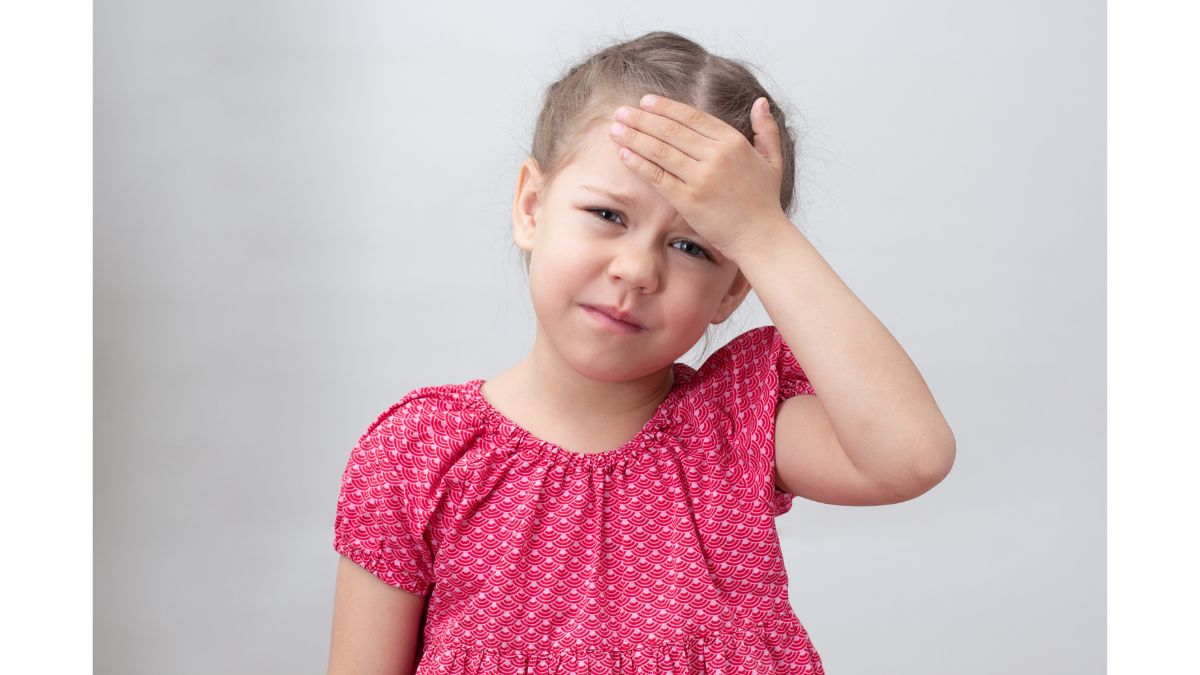
Reports about brain inflammation (meningitis) make many parents anxious, and that is understandable. However, Dr Elri du Preez of Brits says that not all fever and headache mean meningitis. What matters is knowing the warning signs and acting quickly. "What you can do is check your family's vaccinations, use reliable information and get urgent help when someone is unusually ill."
What is brain inflammation?
Brain inflammation is inflammation of the protective membranes surrounding the brain and spinal cord. Viruses, bacteria, TB and fungi can cause it, so not every case progresses the same way and treatment also differs.
- Viral meningitis is the most common. Many people with mild cases recover with supportive care. Antibiotics do not work against viruses. However, it can be serious in newborn babies and people with weak immunity. "Viral does not automatically mean we can wait it out at home," says du Preez. It must always be assessed by a doctor first.
- Bacterial meningitis is a medical emergency. Patients can deteriorate severely within hours. It is not common and outbreaks usually occur in small groups where people live closely together, such as in residences and camps. Meningococci, pneumococci and Hib are important causes. Meningococci can also cause blood poisoning (sepsis), even without a stiff neck.
- TB meningitis develops more gradually, with persistent headache, fever and behaviour change, and requires urgent treatment.
- Fungal meningitis (cryptococcal meningitis) occurs especially in people with advanced HIV and weak immunity. It does not spread through ordinary contact.
What do the figures say?
During 2024 the GERMS-SA program recorded 150 laboratory-confirmed episodes of invasive meningococcal disease according to the National Institute for Communicable Diseases (NICD), compared to 107 in 2023. For January to June 2026, 65 episodes have been recorded. Group B predominated, followed by groups W and Y.
NICD warns that the numbers are small and must be interpreted carefully. The figures cover only aggressive meningococcal strains, not all meningitis, and do not by themselves prove a nationwide outbreak.
"Meningococcal disease already exists in South Africa and usually peaks between June and October. It is not new," says du Preez. Local rumours or WhatsApp messages can only be assessed against confirmed local information.
Who is more vulnerable?
Anyone can get meningitis. Babies, people with weakened immunity and people without a functioning spleen deserve extra attention. With meningococcal disease, teenagers and young adults are also an important risk group, especially where they live together in residences.
Warning signs: get help immediately
Go to an emergency room or call an ambulance in case of:
- fever along with severe or unusual headache, a stiff neck, light sensitivity or repeated vomiting
- confusion, unusual behaviour or someone who is difficult to wake
- seizures
- rapid deterioration, rapid breathing, severe body pain, or cold hands and feet in someone who looks very ill
- red or purple spots that do not fade when pressed
In babies, signs can be more subtle: poor feeding, unusual sleepiness, severe irritability, a strange cry or a bulging soft spot on the head. They do not always have a stiff neck.
"Do not wait for all the symptoms, and do not wait for a rash," says du Preez. The characteristic rash can appear late.
How is it diagnosed?
- Blood tests give clues, but cannot confirm or exclude meningitis alone. A normal result does not safely rule out bacterial meningitis.
- CT or MRI scans can investigate complications or other causes, but do not reliably rule out meningitis. Not every patient needs a scan before a lumbar puncture, and unnecessary waiting can delay treatment.
- A lumbar puncture is usually the most important test. A small amount of fluid around the brain and spinal cord is taken under local anaesthetic and examined in a laboratory. It is usually safe when properly assessed and performed. Discomfort and subsequent headache or back pain occur, but serious complications are rare.
If bacterial meningitis is suspected, treatment must begin without waiting for an LP, scan or final results. The National Institute for Communicable Diseases recommends that a lumbar puncture in suspected meningococcal disease in primary care be delayed until the patient is in hospital.
Du Preez says a trained general practitioner does have the skill to perform a lumbar puncture, but with suspected acute meningitis the hospital is usually the appropriate place, with access to monitoring, laboratory services and urgent treatment. "The surgery's priority is to spot the danger, provide necessary initial treatment and arrange safe, urgent transfer."
Vaccinations
Different vaccines protect against different meningococcal groups, and one does not replace the other:
- Bexsero protects against meningococcus B and is available from two months, in more than one dose.
- MenQuadfi covers groups A, C, W and Y and is available from 12 months, in a single dose. It is a different product from Menactra, which covered the same four groups.
Because group B predominates in the 2026 data, Bexsero is relevant, but W and Y also occur. For broader protection both vaccines may be needed, and no vaccine offers complete protection against every strain. Both can cost more than R1 000 per injection. Parents should discuss the right choice with their own doctor, especially if a child is going to residence soon. Du Preez emphasises that this is information and not a recommendation of specific products.
The routine baby vaccines against Hib and pneumococcus already protect against other important bacterial causes and must be kept up to date.
If there is a case at school
Not everyone in the same school or building automatically needs preventive antibiotics. With meningococcal disease the health team determines who was a close contact, such as household contacts or people with direct exposure to saliva. Those people may need antibiotics, even if they feel well. Anyone who thinks they were a close contact should seek advice the same day and should not use leftover antibiotics. Vaccination does not replace preventive antibiotics when indicated.
Recovery
Many people recover well, but some survivors of bacterial meningitis develop hearing, neurological or learning problems. Follow-up care, including a hearing test, can be part of recovery. Quick recognition and treatment make a big difference.
"With severe warning signs: go to emergency or call an ambulance," says du Preez. "Do not wait for a routine appointment, a rash on the skin or a WhatsApp reply."
This article is an automatic English translation of a Nuusflits article originally published in Afrikaans. Read the Afrikaans original.