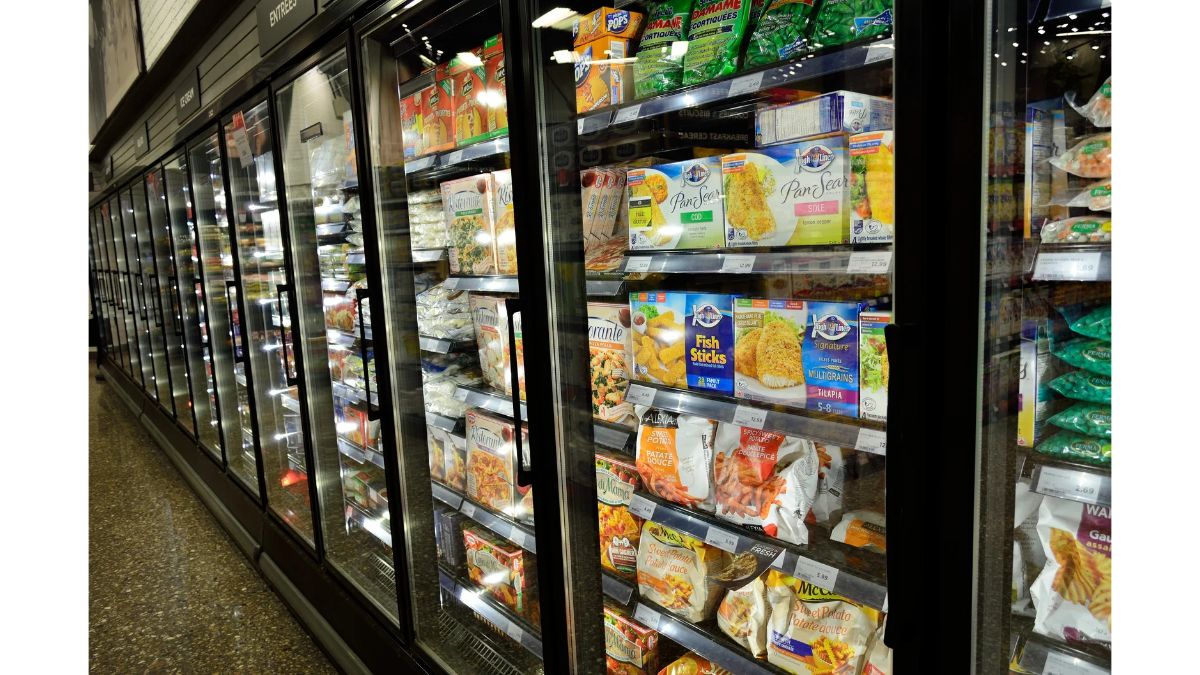
EUROPE. – Supermarkets in various countries have been targeted over recent weeks by cyberattacks on their cooling systems, after attackers succeeded in remotely changing the temperature of ice and freezer units. Large quantities of food had to be discarded after products were no longer safe for consumption. France, Belgium, Sweden, Luxembourg, Ireland, the Netherlands, Finland, Estonia and the United States have had incidents.
One of the largest incidents occurred in October in France, where hundreds of supermarkets' cooling systems were compromised. Temperatures in some units rose to around 50 °C after attackers activated the systems' defrost functions. French retail group Les Mousquetaires told investigating news organisation OCCRP that around 300 of its stores were affected, with losses running into millions of euros. A criminal investigation was launched by the Paris prosecutor's office.
On two November similar problems were reported at supermarkets in Belgium, Sweden, Luxembourg, Ireland, the Netherlands, Finland and Estonia. In Sweden, freezer units at ICA and Coop chain stores were affected, while around 40 Delhaize stores in Belgium and Luxembourg experienced problems. Carrefour also confirmed incidents at approximately 15 stores in Belgium, and 13 SuperValu stores in Ireland were affected. Some stores had to remove or dispose of chilled and frozen products.
The United States is meanwhile investigating a possible cyberattack that caused food to spoil at stores on military bases in August. According to an American official, six stores were affected. At Fort Huachuca in Arizona, a freezer unit switched to defrost mode and its contents became warm. The Pentagon is investigating the possibility that the problems were caused by cybercriminals.
In the United Kingdom too, meat suppliers recently reported that their cooling systems were affected. Some units allegedly were set to defrost regularly, while others had their temperatures raised. However, the scale of the incident and any food losses have not yet been established. British cybersecurity authorities have meanwhile warned retailers to secure their systems.
The attacks demonstrate how vulnerable food supply chains can be when ice and freezer units are connected to the internet. Supermarkets use this technology to monitor temperatures remotely and adjust settings. Cybercriminals who gain access to the control systems can therefore make large quantities of food unsafe with only a few changes.
No group has so far claimed responsibility for the European attacks, and it has not been confirmed whether all the incidents are connected.
Sources: OCCRP, CNA, Nextgov, The Grocer
This article is an automatic English translation of a Nuusflits article originally published in Afrikaans. Read the Afrikaans original.